
International Tensions and Tax Implications: What Businesses and Professionals Should Consider Today
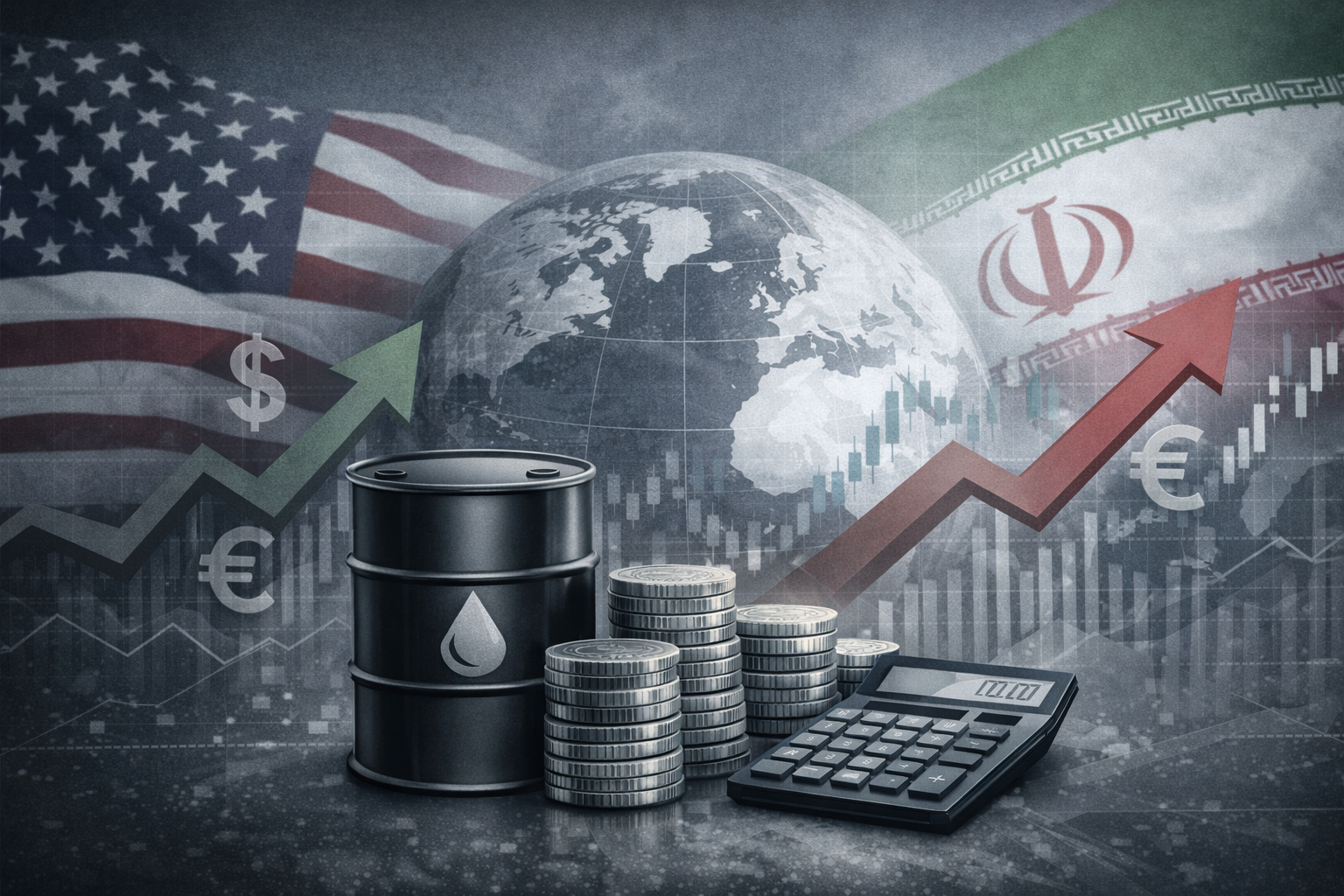
Recent tensions between the United States and Iran have once again drawn attention to energy markets and global economic stability. Although this geopolitical scenario may appear distant from the day-to-day operations of many companies, its economic consequences can translate into concrete tax effects that deserve careful consideration.
Periods of international instability often lead to fluctuations in energy prices, transportation costs, and financial markets. When these changes affect business costs, the impact is not only economic but also fiscal. Compressed margins, rising costs, or slower revenues alter the taxable base, influencing direct taxes, estimated tax payments, and overall tax planning.
One of the first aspects to evaluate is the management of estimated tax payments. When businesses anticipate potential margin reductions or significant variations in financial results, it may be advisable to carefully consider the forecast method for calculating estimated taxes. This approach can help prevent excessive payments that do not reflect the company’s actual tax capacity. Timely planning helps preserve liquidity while avoiding potential penalties.
Another relevant factor is the increase in energy and logistics costs. These expenses directly affect the determination of taxable income and make it even more important to monitor the deductibility of costs, ensure proper accrual accounting treatment, and evaluate access to potential tax credits or incentives related to energy or efficiency investments. Reviewing supply contracts and ensuring their correct accounting classification may also have meaningful tax consequences.
Companies with international exposure should also pay close attention to currency risk and potential exchange rate differences that may arise in financial statements. In periods of volatility, these elements can significantly influence the fiscal result of the year and require consistent and timely accounting management.
A further consideration concerns financial planning from a tax perspective. If international tensions contribute to keeping interest rates elevated or tightening access to credit, the financial structure of a business becomes even more relevant from a fiscal standpoint, particularly regarding the deductibility of interest expenses and compliance with applicable regulatory limits.
In this environment, tax advisory services go far beyond the preparation of tax returns and take on a strategic dimension. Periodically analyzing a company’s financial performance, updating profit forecasts, and assessing the tax implications of operational decisions allow businesses to face uncertain environments with greater stability.
It is important to emphasize that the objective is not to react emotionally to international events, but rather to strengthen monitoring and planning tools that are already essential in normal circumstances. Businesses that regularly track their tax position, cost dynamics, and financial sustainability are generally better prepared to absorb external shocks.
In an interconnected global economy, tax variables are closely linked to the broader macroeconomic context. Integrating tax analysis with a careful reading of economic developments allows businesses to make more informed decisions, protect liquidity, and maintain a balance between growth and financial sustainability.